+ 44 203 372 4609
 Logicsimplified
 Get a Quote



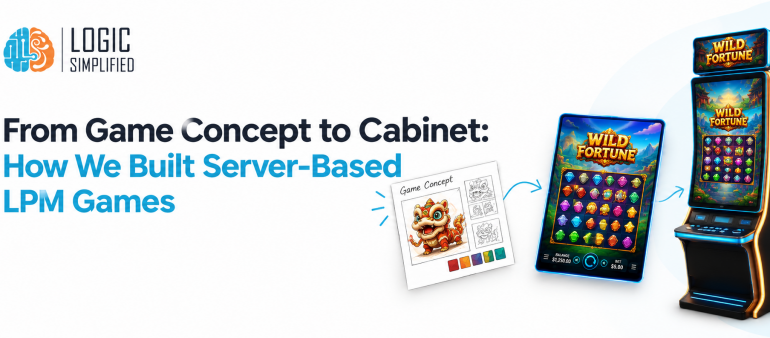
A game development project rarely moves in a straight line from an initial idea to a finished product.
Requirements evolve, gameplay gets refined, visuals change, and technical challenges emerge. The best results often come when the client and development team work closely throughout the process.
That was the experience behind one of our recent projects at Logic Simplified, where a client approached us with a requirement to develop four server-based Limited Payout Machine (LPM) games for the South African regulated gaming market.
The challenge was to build complete games that could work within an existing gaming environment, meet specific gameplay and technical requirements, and ultimately run on physical gaming cabinets.
We accepted the challenge and worked closely with the client from the initial requirements through development, feedback, testing, and final delivery.
Starting With the Game Concept
The project began with a detailed specification covering four LPM games.
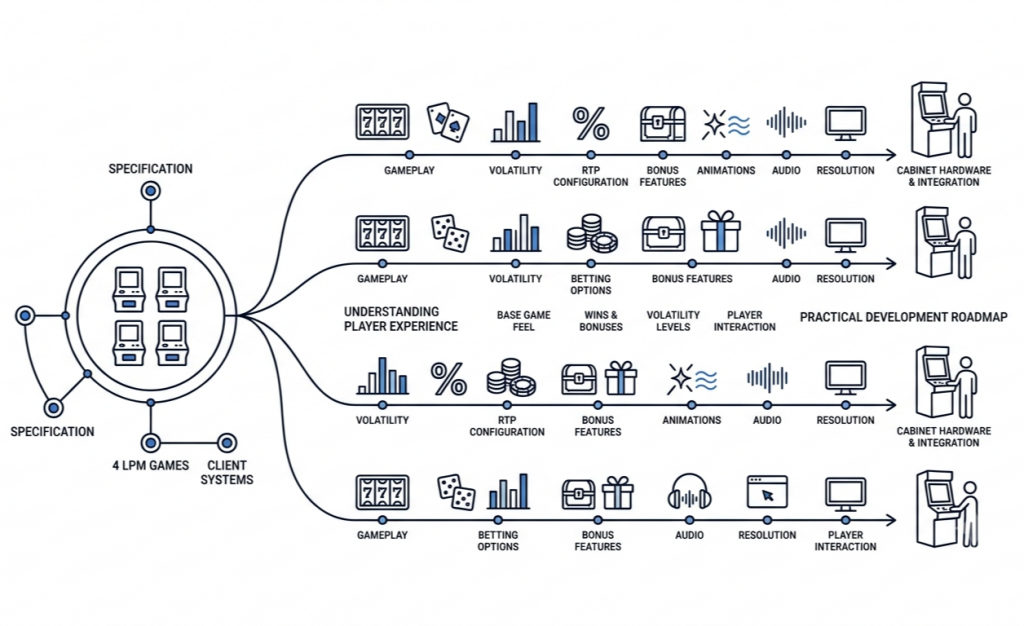
The requirements included gameplay, volatility, RTP configuration, betting options, bonus features, animations, audio, screen resolution, cabinet hardware, and integration with the client's existing systems.
Before development began, our team focused on understanding the intended player experience.
How should the base game feel? How should wins and bonuses work? How should different volatility levels affect gameplay? And how should players interact with the game on a physical cabinet?
These discussions helped turn the initial game concept into a practical development roadmap.
Turning Requirements Into Games
Once the requirements were understood, development began.
The four games had different gameplay characteristics, with three designed around higher volatility and another focused on longer player sessions and time-on-device.
They included configurable elements such as RTP, bet values, paytables, bonus mechanics, animations, audio, and player interactions.
But development was not simply about building the games and delivering them at the end.
The client remained involved throughout the project. As builds became available, the client reviewed them, provided feedback, clarified requirements, and identified areas that needed changes.
Our team took that feedback back into development, made the required adjustments, shared updated builds, and continued the process.
This iterative approach became an important part of the slot game development process.
Designing for a Gaming Cabinet
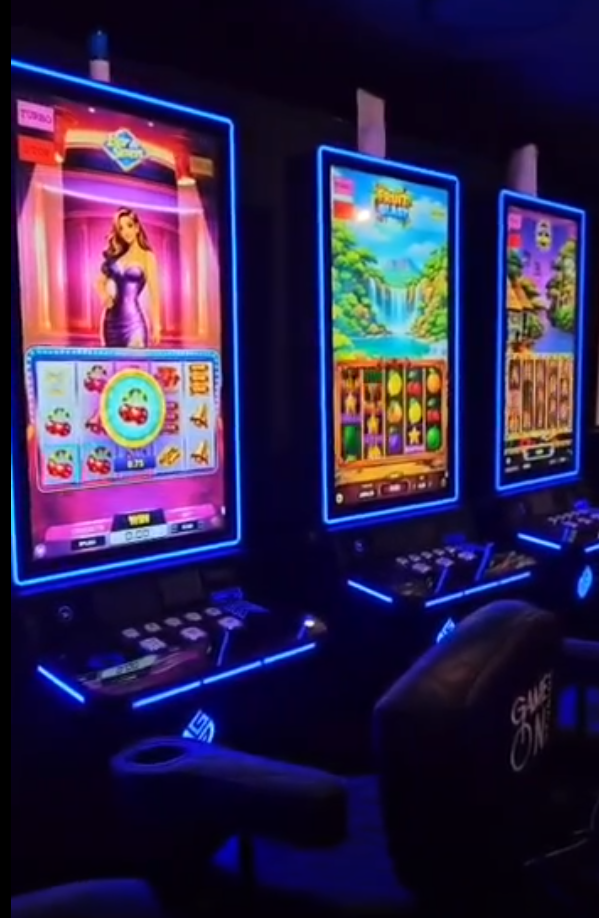
Developing for a physical gaming cabinet presents different challenges from developing for mobile, desktop, or web.
These LPM games were designed for dedicated cabinets with large portrait touchscreen displays and physical controls.
The interface therefore had to be designed around the physical gaming environment. Buttons, information panels, bet controls, animations, and player feedback all needed to work naturally on the cabinet.
We were successful in designing the game themes and integrated them on the cabinet specifications as provided by the client.
Creating the Visual Experience
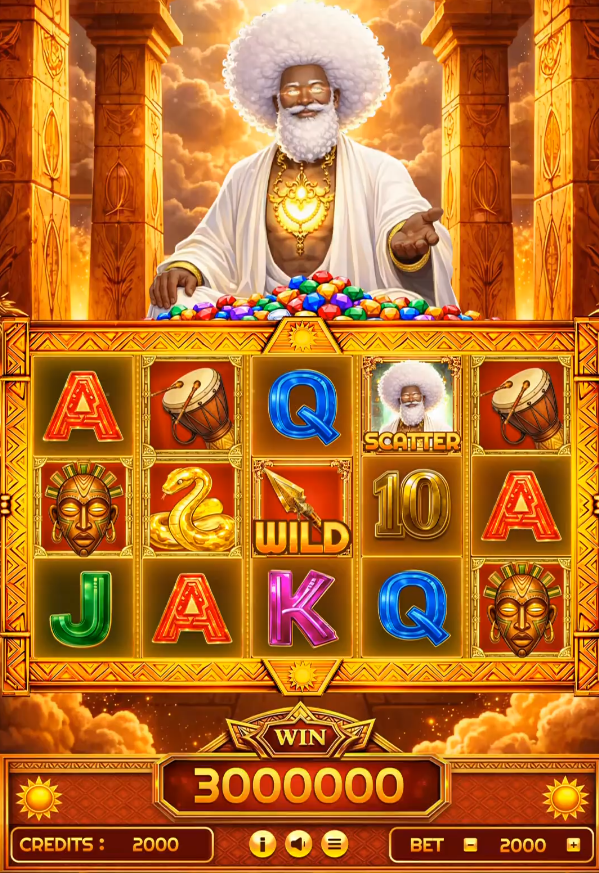
Slot game art also played an important role.
The visuals needed to make the games engaging while clearly communicating gameplay to players. Symbols, backgrounds, buttons, win animations, transitions, and bonus sequences all had to work together.
As the client reviewed the builds, visual and interactive elements were refined according to their feedback.
This required close coordination between our artists and developers so that changes to artwork, animation, and gameplay remained consistent.
Building for Server-Based Gaming
A key part of the project was that the games needed to operate as server-based gaming slot machines.
The games were designed to work with the client's existing gaming environment, including the Remote Game Server (RGS) and Wagering Record Keeping System (WRS).
This meant our work went beyond the visible game experience.
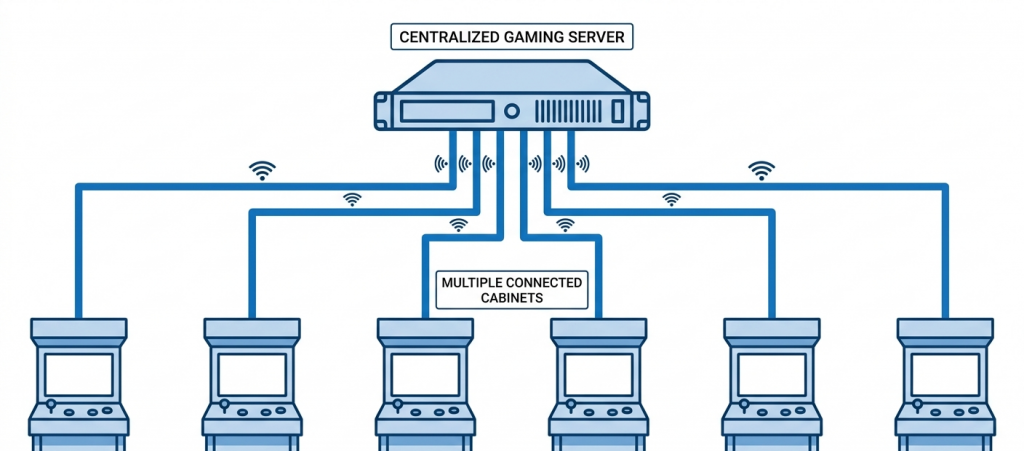
The game client needed to communicate correctly with the surrounding systems and respond appropriately to server-driven outcomes and required game information.
With our team’s expertise we were able to achieve these through several tools and proper integration as per the needs of the Client
Do you have a game idea waiting to be discussed? Get in touch for technical consultation.

Feedback Was Part of the Process
One of the defining aspects of the project was the client's continued involvement.
The client monitored progress, reviewed builds, provided observations, and guided the team whenever changes were required.
The development cycle was simple:
Requirement → Development → Client Review → Feedback → Changes → Updated Build → Testing
Some changes involved gameplay. Others involved UI, visuals, animations, or technical behaviour.
By incorporating feedback throughout development, we could continuously refine the games instead of waiting until the final delivery stage.
Testing and Certification Readiness
As development progressed, testing became increasingly important.
Our team tested gameplay behaviour, player interactions, paytable implementation, game states, animations, and system communication.
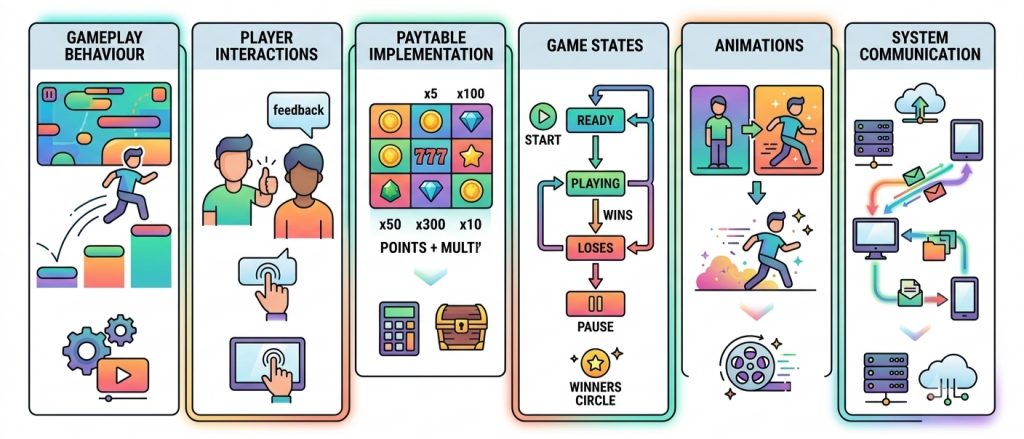
The project also required consideration of documentation and technical information associated with regulated gaming products.
Depending on the jurisdiction and product, requirements related to mathematics, RNG, auditability, game behaviour, and standards such as GLI certification may form part of the testing and approval process.
Understanding these requirements early helps development teams build with the final environment in mind.
From Concept to Cabinet
After multiple development and review cycles, the four games were completed and delivered, moving from client requirements → game concept → development → RGS/WRS integration → feedback → testing → final build → gaming cabinet.
What began as a project specification became playable LPM games running on machines in South Africa.
The project reinforced our approach to slot game development: understand the requirement, work closely with the client, respond to feedback, solve challenges, and continuously refine the product until it is ready for deployment.
At Logic Simplified, we turn game concepts into games ready to play.
Looking to Develop a Limited Payout Machine Game?
If you have an idea for a Limited Payout Machine game, Logic Simplified can help turn it into a deployment-ready product.
Our team can support the complete development journey, from game concept, mathematics, UI/UX and slot game art to development, RGS/WRS integration, testing, certification-ready preparation, and gaming cabinet deployment.
Whether you have a detailed specification or just a game idea, we can work with your team to develop, refine, test, and deliver the product based on your requirements.
Write to us at enquiry@logicsimplified.com or contact us here.